Adding Texture & Dimension with Varnish Plates
Written by: Gregory Staff | March 09, 2026

Creative Printing Effects with Mimaki Varnish Plates
When it comes to adding visual detail and luxurious finishing effects to graphics, one of the most impactful ways you can do so is by utilizing varnish plates. These transparent, buildable layers allow designers to add texture, depth, and shine to printed images, making them feel as impressive as they look.
If you’re unfamiliar with this technique, we’re breaking down what varnish plates are, how they differ from white plates, where and why to use them, and how to prepare your files properly for a smooth production process below.
What Are Varnish Plates?
When working with Mimaki UV printers—in our case, the JFX600 Flatbed—you have the ability to add additional print layers beyond standard CMYK. These layers are called plates, and they control how special effects like opacity and texture are applied. Two of the most commonly used specialty plates are varnish plates and white plates. While both enhance the appearance and performance of a graphic, they do so in different ways.
Varnish Plates
A varnish plate is a designated layer that applies clear UV varnish to selected areas of the print. This varnish can be gloss, matte, or textured depending on your printer settings and pass count. Varnish is typically used to:
- Add shine or highlight details
- Create raised or tactile texture
- Create contrast between matte and gloss areas
- Add a dimensional finish
White Plates
A white plate controls where white ink is printed to create a base layer. White ink is essential when printing on clear, colored, metallic, or textured surfaces because it prevents the underlying material from affecting the printed color. White is used to:
- Ensure color accuracy and brightness
- Create opacity where needed
- Support layered effects like selectively transparent windows or overlays
Used together, varnish and white plates can create richer, more dimensional graphics, especially on specialty materials. The white plate provides a solid base so colors stay vivid on clear or metallic substrates, while the varnish plate adds gloss, matte, or raised texture to highlight key elements. Typically, white prints beneath CMYK and varnish prints on top, creating depth and polish that make the final piece feel intentional and premium.
Tips for Designing and Preparing Files with Varnish
Now that you know how varnish and white plates work together, the next step is making sure your artwork and material choices support the effect you want. The substrate you print on has a major influence on how noticeable the varnish will be, and if you’re unsure how varnish will present on a particular material, running a small test print is always recommended.
- Glossy films and acrylics create strong highlight contrast
- Matte boards and vinyl produce a more subtle, refined finish
- Textured materials (wood, metal, PVC) can either be softened or intentionally built up with raised varnish
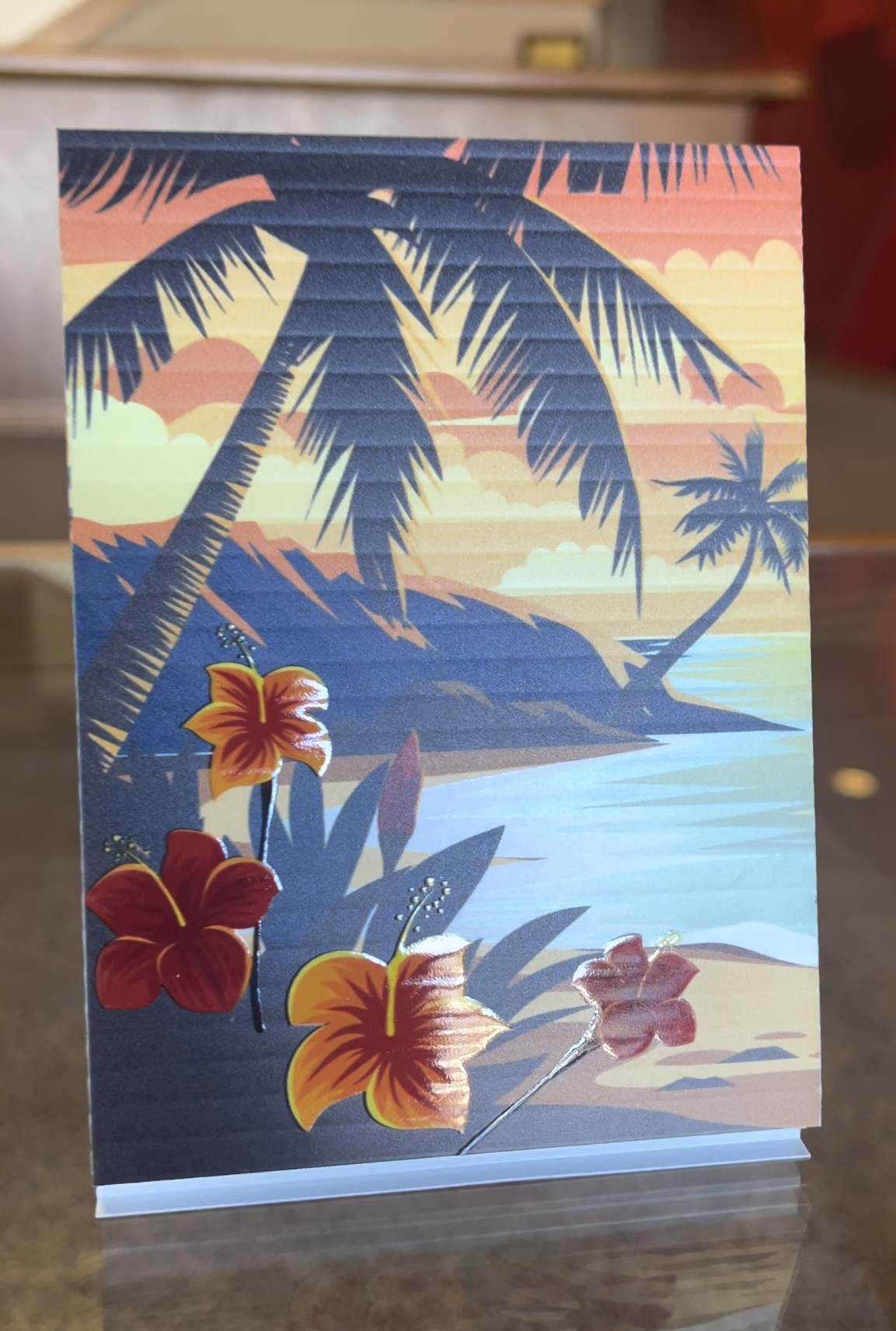
When preparing your file, it’s important to keep varnish artwork clean and intentional:
- Create varnish as a clearly labeled spot color (e.g., Varnish or SpotUV)
- Apply varnish shapes at 100% fill for consistent coverage
- Use vector shapes where possible to maintain clean edges
- Place the varnish layer on top in your layer stack for easy review
For raised or textured varnish effects, use bold, simple shapes or pattern fills. Very fine details (such as thin lines or small type) may fill in once printed, so keeping varnish elements slightly thicker helps maintain clarity. Also ensure your varnish and CMYK layers remain aligned to avoid any haloing or mis-registration around highlighted areas.
Finally, apply varnish with purpose. When used sparingly, it directs the eye and adds dimension; when applied everywhere, it can flatten the visual impact. Strategic placement is what makes the effect feel premium rather than overpowering. And as always, we’re here to help! If you have questions about materials, file prep, or how to achieve a specific varnish effect, just reach out and our team will point you in the right direction.